
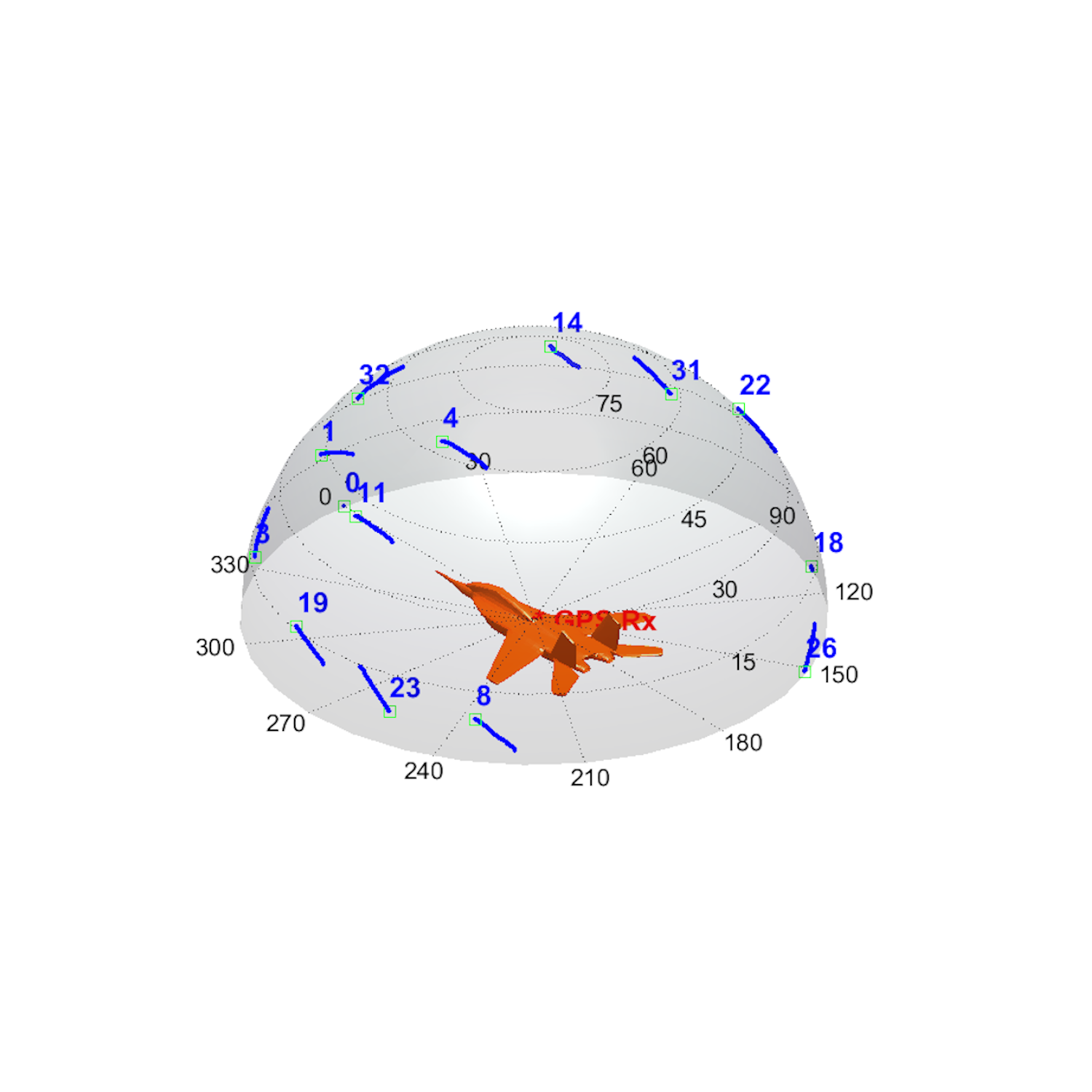
 Image 1 of 8
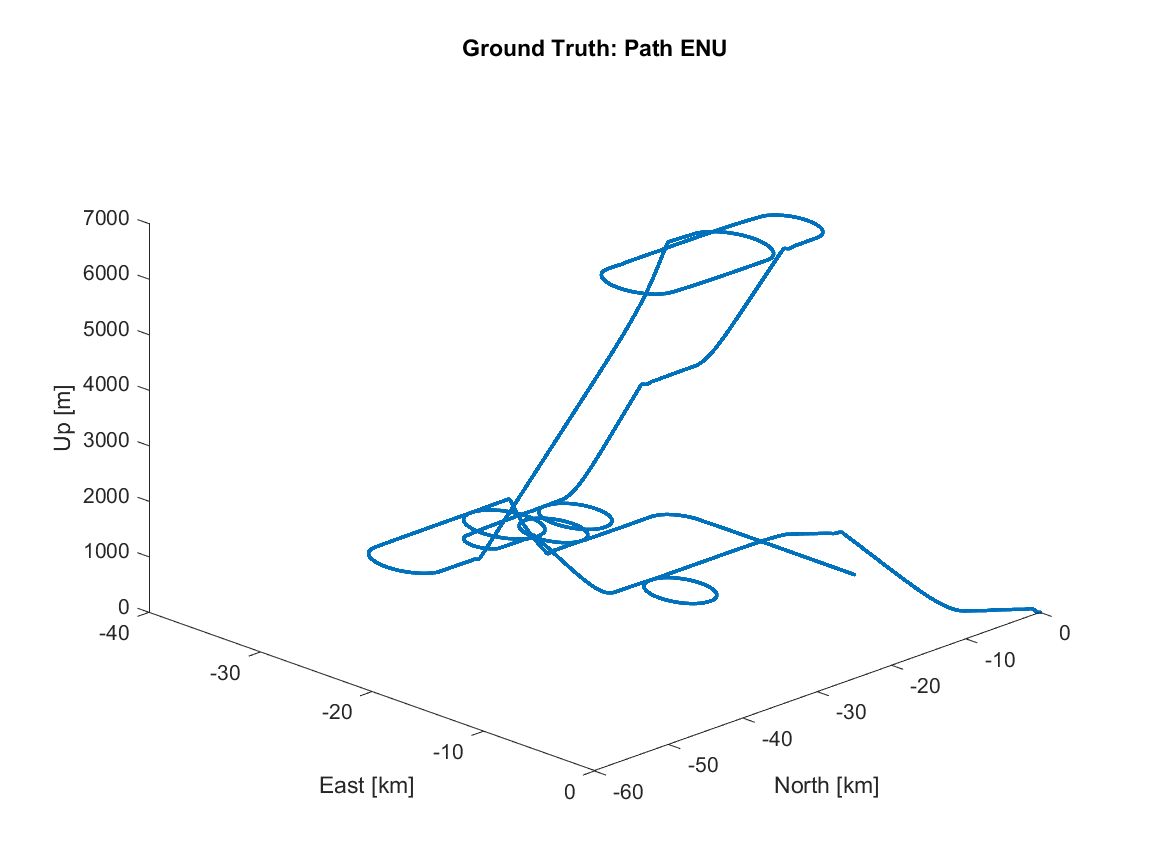 Image 2 of 8
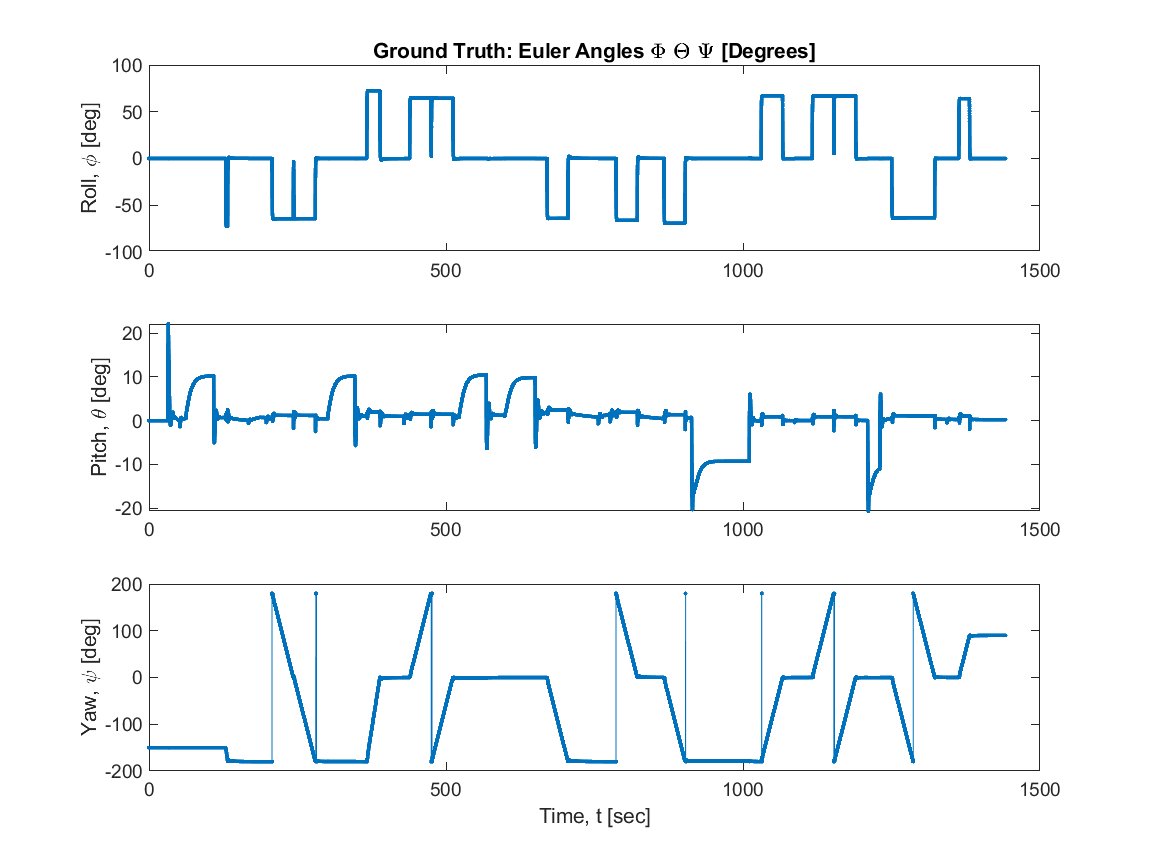 Image 3 of 8
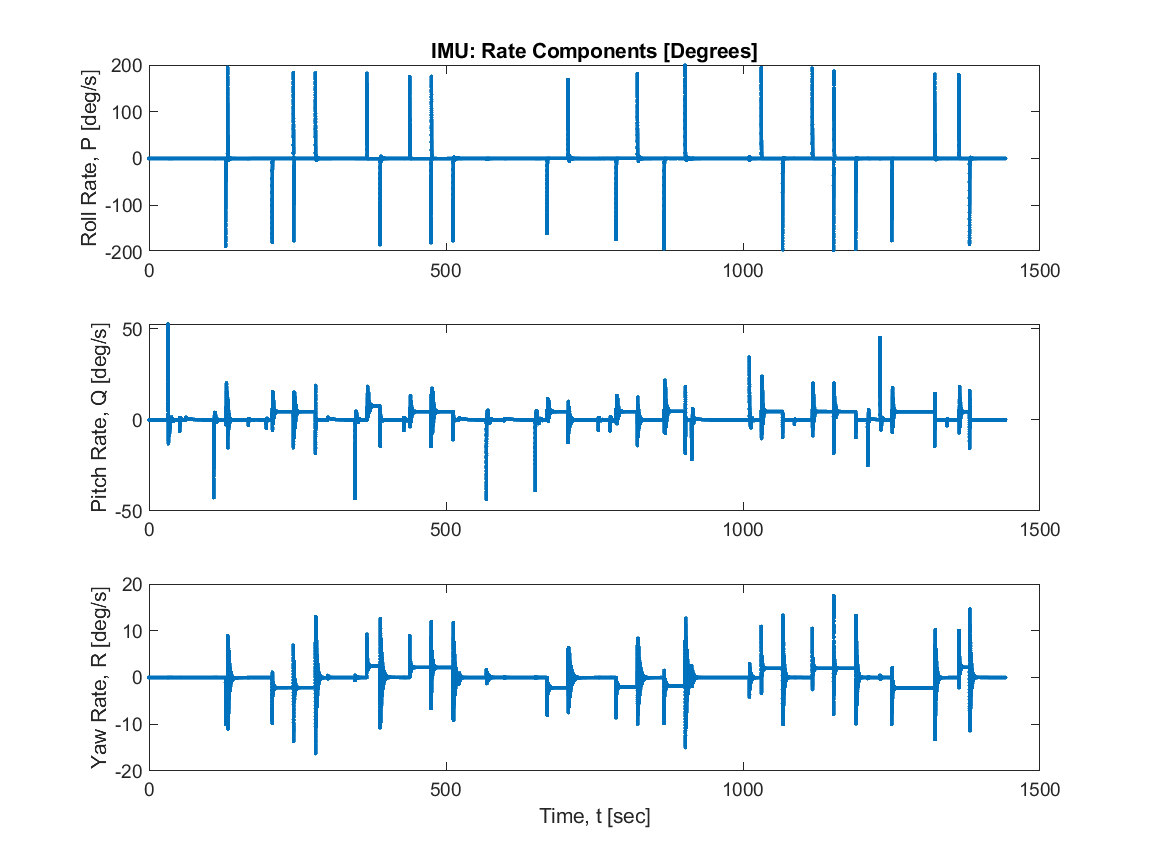 Image 4 of 8
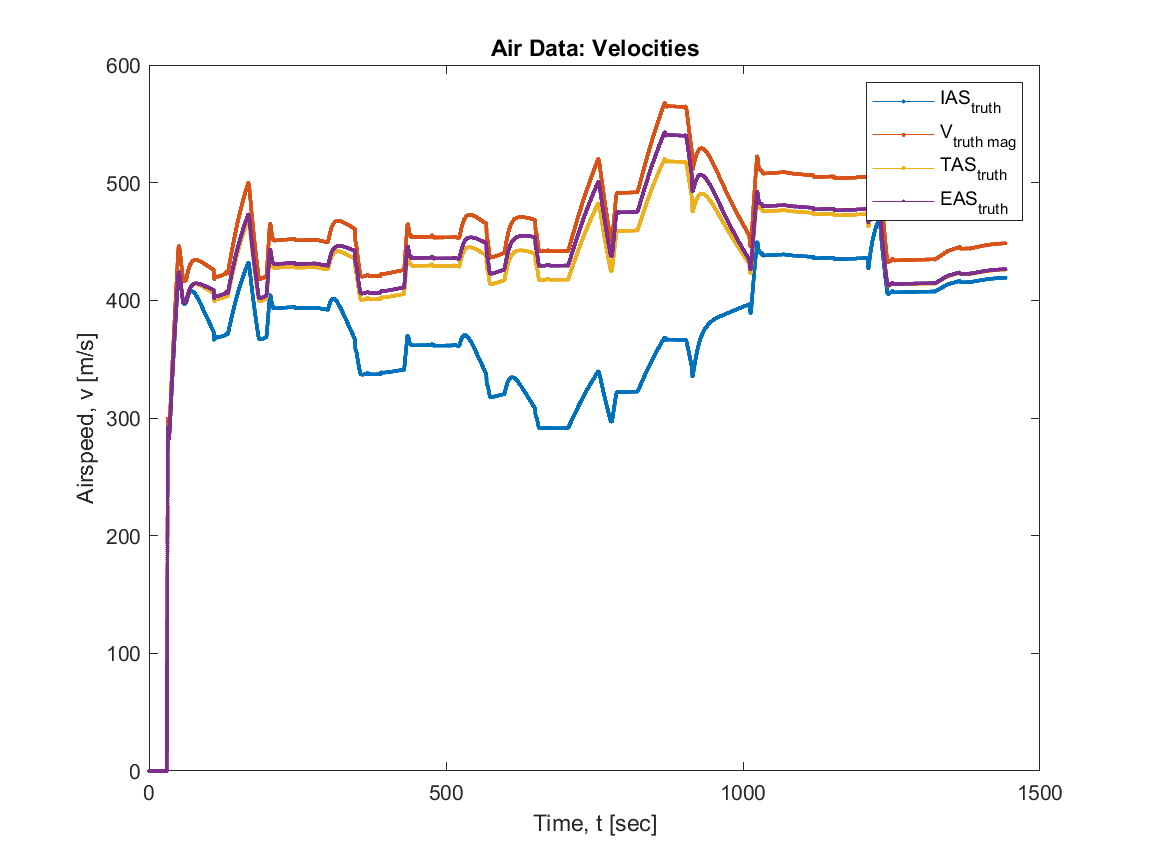 Image 5 of 8
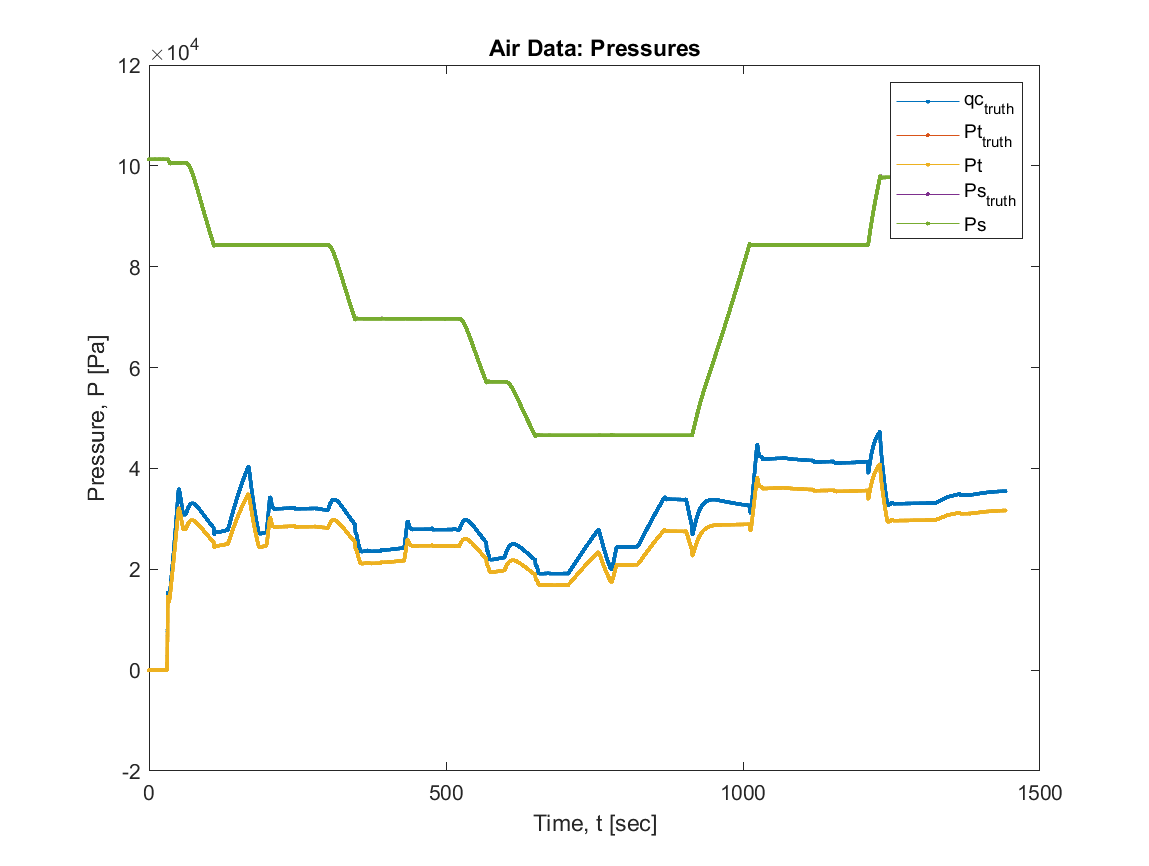 Image 6 of 8
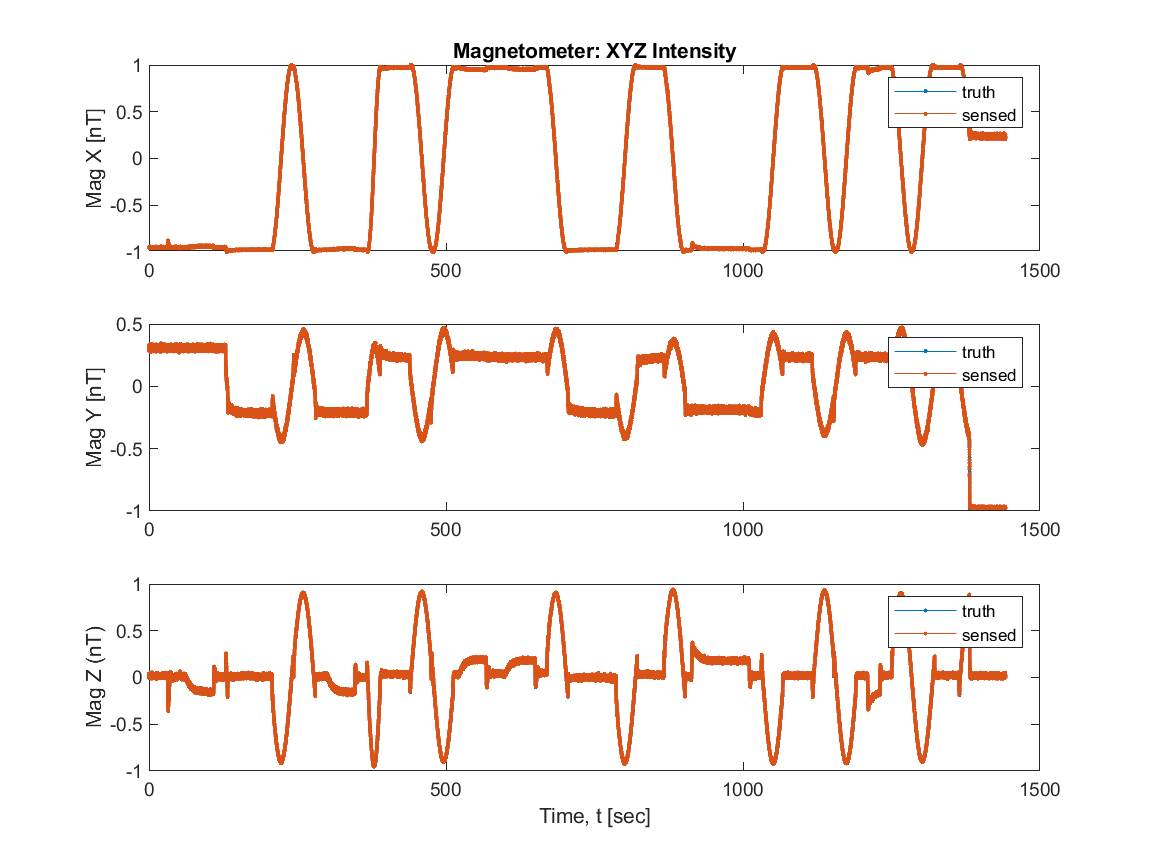 Image 7 of 8
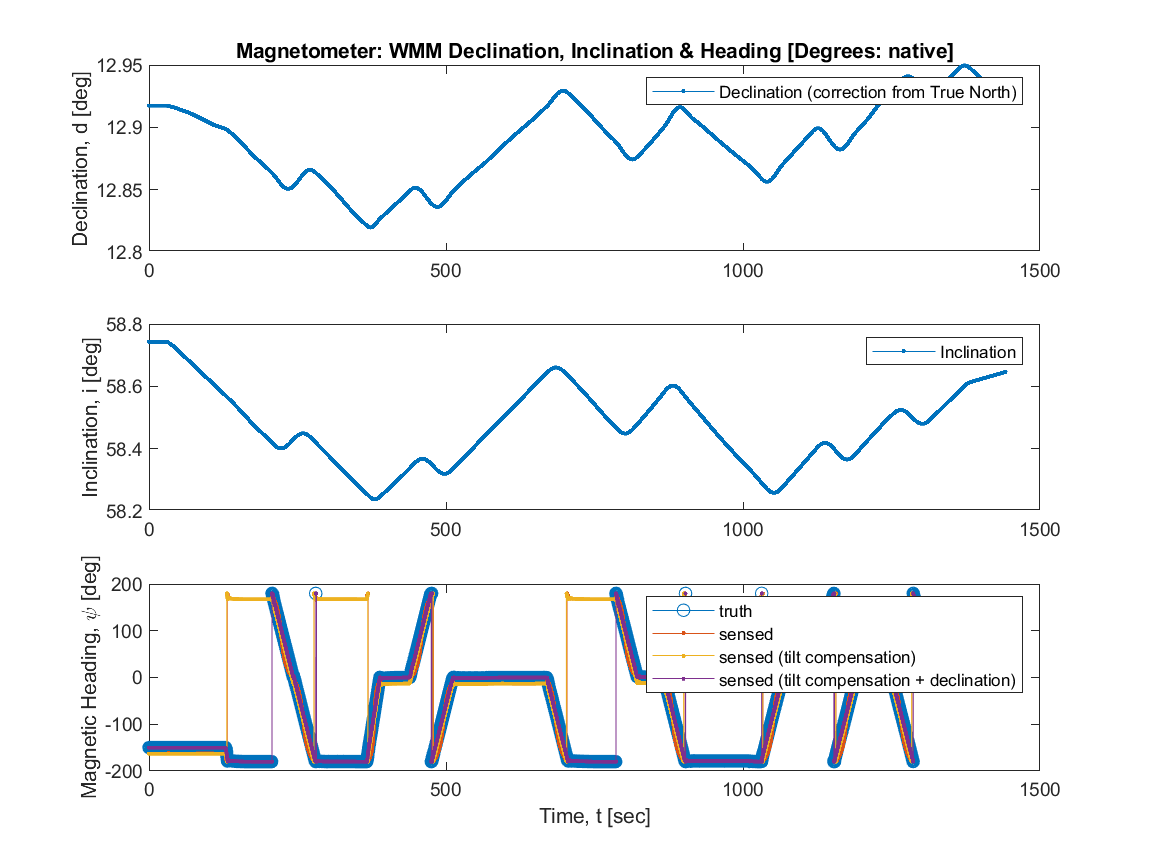 Image 8 of 8
Roysdon Signal Generator
Overview
The Roysdon Nav - Signal Generator is a state-of-the-art, high-accuracy MATLAB toolbox for generating realistic trajectories and corresponding sensor outputs for aerial and ground vehicles. It is designed to rigorously evaluate navigation systems, autopilots, and real-time estimation algorithms under controlled, repeatable, and physically realistic conditions. This is not a toy waveform generator. It is a full physics-based trajectory and sensor simulation environment, verified against industry best-in-class commercial signal generators used in tactical and aviation-grade testing. Full and complete documentation and tutorials are provided.
Visit this page for more details.
What It Does
The Signal Generator enables engineers to:
Generate realistic 2D and 3D trajectories for cars, drones, and fighter aircraft
Simulate high-fidelity sensor outputs driven directly by those trajectories
Inject realistic sensor errors, failures, biases, and dropouts
Produce reproducible datasets for:
Autopilot development
GNSS/INS navigation
Sensor fusion
Algorithm verification and Monte-Carlo testing
All outputs are designed to mirror real sensor behavior at the data-rate, error-model, and physics level required for serious engineering work.
Industry-Verified Accuracy
The Signal Generator’s outputs were directly verified against commercial off-the-shelf signal generators from NavLabs, using identical trajectories and configurations.
This verification ensures:
Sensor statistics match industry reference tools
Error growth and dynamics behave correctly
Generated data is suitable for algorithm validation, not just visualization
This makes the toolbox appropriate for aerospace, autonomy, defense, and research programs where credibility matters.
Physics-Based Trajectory Simulation
Supported Vehicle Models
Ground vehicles (2D kinematics)
Aerial vehicles (full 3D kinematics)
High-performance aircraft (F-16)
Includes a full autopilot feedback control system
Produces smooth, realistic 6-DOF maneuvering trajectories
Trajectory definitions are modular and extensible, allowing users to add new vehicle types or mission profiles with minimal effort.
High-Fidelity Sensor Models
Each sensor model is designed to be easily tuned to match manufacturer datasheets and real hardware.
Supported Sensors
IMU
3-axis accelerometers
3-axis gyroscopes
GNSS / GPS
L1 & L2
Rover and base-station configurations
Full XYZ positioning
Magnetometer
3-axis
Air Data
Static pressure
Dynamic pressure
Temperature and humidity
Altimeters
Radar
Ultrasonic
LiDAR
Rangefinders
Radar
Ultrasonic
LiDAR
Wheel Encoders
Signals of Opportunity
Opportunistic positioning in X/Y/Z
Realistic Error Modeling & Failures
Every sensor supports engineering-grade realism, including:
Configurable data rates
Biases and scale-factor errors
White noise and random walks
Cross-axis coupling
Clock stability (ppm)
Dropouts and spikes
Validity intervals
Environmental effects (EGM96, sea state, terrain)
This allows engineers to stress test algorithms exactly as they will fail in the real world.
Designed for Engineers
Simple Operation
One-click execution via MAIN_SignalGen.m
Centralized configuration through CONFIG_SignalGen.m
Sensible defaults for immediate use
Fully transparent MATLAB implementation
Extensible Architecture
Add new trajectories via preDef_trajectory.m
Add new sensors via dedicated model files
Clean variable naming consistent with academic and industry literature
Clear reference-frame conventions (ECEF, NED, ECI)
Output & Results
The Signal Generator automatically:
Generates trajectories
Runs all enabled sensor models
Plots results
Saves all outputs (.mat, .fig, .jpg, .doc) to a structured data directory
This makes it ideal for:
Batch testing
Monte-Carlo analysis
Regression testing
Publication-quality figures
Typical Use Cases
Autopilot verification
GNSS/INS navigation system development
Kalman filter and Bayesian estimator testing
Sensor fusion validation
Ground-truth data generation
Algorithm benchmarking
Research and academic publications
Why This Tool Exists
Most teams either:
Rely on expensive hardware signal generators with limited transparency, or
Build ad-hoc simulators that lack realism and validation
The Roysdon Nav Signal Generator fills the gap:
Software-defined
Physically accurate
Industry-verified
Fully inspectable and extensible
It gives engineers control, credibility, and confidence.
Key Advantage
Roysdon LLC delivers production-grade aerospace, navigation, and AI toolchains that collapse years of R&D into immediately deployable engineering systems.
Unlike academic frameworks or vendor-locked platforms, these toolboxes are:
Built from real aircraft, navigation, and embedded deployments
Fully inspectable and extensible
Designed for mission-critical environments
This software directly replaces:
Fragmented internal toolchains
Years of bespoke estimator and simulator development
Vendor-locked black-box solutions
Competitive Advantage
End-to-end coverage: theory → simulation → real-time systems
Proven mathematical rigor
Field-tested architectures
No dependency on proprietary runtimes
Suitable for air-gapped and classified environments
Pricing Tiers
Email roysdonfibonaccipress@gmail.com for purchase.
Individual License: $10,000 (one-time)
For independent engineers, researchers, and educators
Full access to selected toolboxes
Non-commercial use
Local execution only
Source access for learning and experimentation
Limited email & phone support (additional training fees can be negotiated).
Restrictions
No resale, redistribution, or commercial deployment
No SaaS, hosted services, or client deliverables
Typical Buyers
PhD students, faculty
Independent aerospace / robotics engineers
Advanced hobbyists and educators
Startup License: $10,000 (annual)
For early-stage companies and small teams
Full toolbox access
Commercial use permitted
Internal product development allowed
Up to a fixed number of engineers (e.g., 5–15 seats)
Limited email & phone support (additional training fees can be negotiated).
Restrictions
No sublicensing
No resale as a standalone product
Revenue cap (e.g., <$10M ARR)
Typical Buyers
UAV startups
Robotics companies
Autonomy, GNSS, and aerospace software ventures
Enterprise License: $25,000 (annual)
For large commercial organizations
Unlimited internal use
Multi-team and multi-program deployment
Commercial products and services permitted
Optional source escrow
SLA-backed support and onboarding
Optional customization and integration support
Email & phone support (additional training fees can be negotiated).
Optional Add-Ons
Internal training
Feature extensions
Long-term maintenance agreements
Typical Buyers
Aerospace primes
Automotive autonomy divisions
Telecom, robotics, and advanced analytics firms
Government / Defense License $25,000 (annual)
For U.S. Government, FFRDCs, and defense contractors
Unlimited programmatic use
Air-gapped and classified-environment compatible
Program-specific licensing
Long-term sustainment options
Compliance-friendly terms (FAR / DFARS-compatible by request)
Email & phone support (additional training fees can be negotiated).
Optional Add-Ons
Mission-specific extensions
Verification & validation support
Documentation packages for accreditation
Long-term maintenance agreements
Typical Buyers
DoD programs
National labs
Intelligence and research agencies
Licensing
See License terms here.
Overview
The Roysdon Nav - Signal Generator is a state-of-the-art, high-accuracy MATLAB toolbox for generating realistic trajectories and corresponding sensor outputs for aerial and ground vehicles. It is designed to rigorously evaluate navigation systems, autopilots, and real-time estimation algorithms under controlled, repeatable, and physically realistic conditions. This is not a toy waveform generator. It is a full physics-based trajectory and sensor simulation environment, verified against industry best-in-class commercial signal generators used in tactical and aviation-grade testing. Full and complete documentation and tutorials are provided.
Visit this page for more details.
What It Does
The Signal Generator enables engineers to:
Generate realistic 2D and 3D trajectories for cars, drones, and fighter aircraft
Simulate high-fidelity sensor outputs driven directly by those trajectories
Inject realistic sensor errors, failures, biases, and dropouts
Produce reproducible datasets for:
Autopilot development
GNSS/INS navigation
Sensor fusion
Algorithm verification and Monte-Carlo testing
All outputs are designed to mirror real sensor behavior at the data-rate, error-model, and physics level required for serious engineering work.
Industry-Verified Accuracy
The Signal Generator’s outputs were directly verified against commercial off-the-shelf signal generators from NavLabs, using identical trajectories and configurations.
This verification ensures:
Sensor statistics match industry reference tools
Error growth and dynamics behave correctly
Generated data is suitable for algorithm validation, not just visualization
This makes the toolbox appropriate for aerospace, autonomy, defense, and research programs where credibility matters.
Physics-Based Trajectory Simulation
Supported Vehicle Models
Ground vehicles (2D kinematics)
Aerial vehicles (full 3D kinematics)
High-performance aircraft (F-16)
Includes a full autopilot feedback control system
Produces smooth, realistic 6-DOF maneuvering trajectories
Trajectory definitions are modular and extensible, allowing users to add new vehicle types or mission profiles with minimal effort.
High-Fidelity Sensor Models
Each sensor model is designed to be easily tuned to match manufacturer datasheets and real hardware.
Supported Sensors
IMU
3-axis accelerometers
3-axis gyroscopes
GNSS / GPS
L1 & L2
Rover and base-station configurations
Full XYZ positioning
Magnetometer
3-axis
Air Data
Static pressure
Dynamic pressure
Temperature and humidity
Altimeters
Radar
Ultrasonic
LiDAR
Rangefinders
Radar
Ultrasonic
LiDAR
Wheel Encoders
Signals of Opportunity
Opportunistic positioning in X/Y/Z
Realistic Error Modeling & Failures
Every sensor supports engineering-grade realism, including:
Configurable data rates
Biases and scale-factor errors
White noise and random walks
Cross-axis coupling
Clock stability (ppm)
Dropouts and spikes
Validity intervals
Environmental effects (EGM96, sea state, terrain)
This allows engineers to stress test algorithms exactly as they will fail in the real world.
Designed for Engineers
Simple Operation
One-click execution via MAIN_SignalGen.m
Centralized configuration through CONFIG_SignalGen.m
Sensible defaults for immediate use
Fully transparent MATLAB implementation
Extensible Architecture
Add new trajectories via preDef_trajectory.m
Add new sensors via dedicated model files
Clean variable naming consistent with academic and industry literature
Clear reference-frame conventions (ECEF, NED, ECI)
Output & Results
The Signal Generator automatically:
Generates trajectories
Runs all enabled sensor models
Plots results
Saves all outputs (.mat, .fig, .jpg, .doc) to a structured data directory
This makes it ideal for:
Batch testing
Monte-Carlo analysis
Regression testing
Publication-quality figures
Typical Use Cases
Autopilot verification
GNSS/INS navigation system development
Kalman filter and Bayesian estimator testing
Sensor fusion validation
Ground-truth data generation
Algorithm benchmarking
Research and academic publications
Why This Tool Exists
Most teams either:
Rely on expensive hardware signal generators with limited transparency, or
Build ad-hoc simulators that lack realism and validation
The Roysdon Nav Signal Generator fills the gap:
Software-defined
Physically accurate
Industry-verified
Fully inspectable and extensible
It gives engineers control, credibility, and confidence.
Key Advantage
Roysdon LLC delivers production-grade aerospace, navigation, and AI toolchains that collapse years of R&D into immediately deployable engineering systems.
Unlike academic frameworks or vendor-locked platforms, these toolboxes are:
Built from real aircraft, navigation, and embedded deployments
Fully inspectable and extensible
Designed for mission-critical environments
This software directly replaces:
Fragmented internal toolchains
Years of bespoke estimator and simulator development
Vendor-locked black-box solutions
Competitive Advantage
End-to-end coverage: theory → simulation → real-time systems
Proven mathematical rigor
Field-tested architectures
No dependency on proprietary runtimes
Suitable for air-gapped and classified environments
Pricing Tiers
Email roysdonfibonaccipress@gmail.com for purchase.
Individual License: $10,000 (one-time)
For independent engineers, researchers, and educators
Full access to selected toolboxes
Non-commercial use
Local execution only
Source access for learning and experimentation
Limited email & phone support (additional training fees can be negotiated).
Restrictions
No resale, redistribution, or commercial deployment
No SaaS, hosted services, or client deliverables
Typical Buyers
PhD students, faculty
Independent aerospace / robotics engineers
Advanced hobbyists and educators
Startup License: $10,000 (annual)
For early-stage companies and small teams
Full toolbox access
Commercial use permitted
Internal product development allowed
Up to a fixed number of engineers (e.g., 5–15 seats)
Limited email & phone support (additional training fees can be negotiated).
Restrictions
No sublicensing
No resale as a standalone product
Revenue cap (e.g., <$10M ARR)
Typical Buyers
UAV startups
Robotics companies
Autonomy, GNSS, and aerospace software ventures
Enterprise License: $25,000 (annual)
For large commercial organizations
Unlimited internal use
Multi-team and multi-program deployment
Commercial products and services permitted
Optional source escrow
SLA-backed support and onboarding
Optional customization and integration support
Email & phone support (additional training fees can be negotiated).
Optional Add-Ons
Internal training
Feature extensions
Long-term maintenance agreements
Typical Buyers
Aerospace primes
Automotive autonomy divisions
Telecom, robotics, and advanced analytics firms
Government / Defense License $25,000 (annual)
For U.S. Government, FFRDCs, and defense contractors
Unlimited programmatic use
Air-gapped and classified-environment compatible
Program-specific licensing
Long-term sustainment options
Compliance-friendly terms (FAR / DFARS-compatible by request)
Email & phone support (additional training fees can be negotiated).
Optional Add-Ons
Mission-specific extensions
Verification & validation support
Documentation packages for accreditation
Long-term maintenance agreements
Typical Buyers
DoD programs
National labs
Intelligence and research agencies
Licensing
See License terms here.