Overview
268 From-Scratch Implementations in MATLAB, Python, and R — Companion to the Textbook
Visit this page for more details, better yet, get the book!
Build machine learning from first principles — without black boxes
Most people learn machine learning in one of two ways: they read equations in papers, or they call libraries in code. What’s missing is the bridge. The Roysdon AI Toolbox is the companion software suite to A Comprehensive Approach to Data Science, Machine Learning and AI. It contains 268 runnable implementations across MATLAB, Python, and R, designed to close the gap between:
Equations → Algorithms (turn objectives and update rules into step-by-step procedures)
Algorithms → Code (map each step into correct, minimal implementations)
Code → Intuition (see how knobs, failure modes, and data geometry actually change behavior)
This toolbox is built for readers who want more than API fluency. It is for engineers, researchers, and practitioners who want mechanical understanding—the kind that lets you debug, modify, extend, and trust what you deploy.
What you get
A complete “from-scratch” companion to a full ML curriculum
The toolbox mirrors the book’s end-to-end learning path across 57 chapters, spanning:
Preliminaries & foundations (probability, optimization, linear algebra, feature engineering)
Dimension reduction (PCA, SVD, manifold methods, LDA)
Unsupervised learning (k-Means, KDE, DBSCAN, EM/GMMs)
Supervised learning
Classification (trees, forests, boosting, logistic regression, SVMs, KNN, Naive Bayes)
Regression (linear regression plus optimization-based methods like LP/MILP and graph/network optimization)
Optimal filtering & estimation (MLE, EKF, and advanced estimator architectures)
Deep learning
Foundations (vanilla neural networks)
Sequence models (RNN, LSTM, Transformers)
Graphical models (CNN, GCN)
Generative models (Autoencoders, VAE, GAN, Diffusion, adversarial methods)
Reinforcement learning (Q-learning, policy gradients, DDPG, PPO, GRPO)
Advanced techniques (numerical differentiation, Adam, embeddings, LoRA, RLHF, MoE, distillation, MCMC, MCTS, RAG, model improvements)
Why this toolbox is different
1) Algorithm & code are line-for-line aligned
Each implementation is designed so that:
every line of code traces to a step in pseudocode
every pseudocode step traces to an equation or objective
the result is inspectable, modifiable, and teachable
You’re not learning what to call. You’re learning how it works.
2) Intuition is engineered, not hand-waved
The toolbox is built to support the “intuition-first” philosophy:
parameter sweeps that show how behavior changes
plots that expose failure modes and edge cases
datasets and metrics that make performance measurable
3) MATLAB / Python / R parity
The book uses MATLAB for compactness, but the toolbox provides parity across MATLAB, Python, and R so you can:
learn in MATLAB and deploy in Python
teach across environments
verify that results match across languages
4) Consistent notation end-to-end
A major cause of confusion in ML is drifting notation across chapters and sources.
This toolbox follows the same convention as the book: symbols introduced in intuition show up unchanged in algorithms, code, and math—so you build one mental model and reuse it everywhere.
Who it’s for
Beginners who want intuition that sticks (graphs first, then code, then math)
Practitioners who need implementations they can benchmark, profile, and adapt
Researchers who want to modify objectives/updates and re-implement correctly
Educators who want teachable code that doesn’t hide the mechanics
Typical use cases
Build “from scratch” versions to understand what libraries are doing
Validate assumptions and failure modes before production deployment
Prototype new variants of standard methods by modifying objectives/updates
Create assignments, labs, and course modules with runnable reference implementations
Cross-check results across MATLAB/Python/R to eliminate implementation drift
What this is not
This is not a tour of APIs.
It is not a math refresher.
It is a deliberately structured system that teaches you to translate fluently among:
equations → algorithms → code ↔ intuition
That fluency is what enables real engineering: debugging, extending, and trusting ML systems.
Companion to the textbook
The Roysdon AI Toolbox is designed to be used chapter-by-chapter alongside the book.
By the end of each chapter, you will be able to:
sketch behavior and failure modes from intuition alone
implement the algorithm from scratch (without black-box libraries)
derive or verify the key equations that justify the implementation
translate among equations, algorithms, code, and intuition fluently
Pricing & Licensing
Individual License: $100 (one-time)
For independent engineers, researchers, and educators
Restrictions
No support (training support can be negotiated)
No resale, redistribution, or commercial deployment
No SaaS, hosted services, or client deliverables
Typical Buyers
PhD students, faculty, hobbyists, professionals, and educators
Licensing
See License terms here.
Overview
268 From-Scratch Implementations in MATLAB, Python, and R — Companion to the Textbook
Visit this page for more details, better yet, get the book!
Build machine learning from first principles — without black boxes
Most people learn machine learning in one of two ways: they read equations in papers, or they call libraries in code. What’s missing is the bridge. The Roysdon AI Toolbox is the companion software suite to A Comprehensive Approach to Data Science, Machine Learning and AI. It contains 268 runnable implementations across MATLAB, Python, and R, designed to close the gap between:
Equations → Algorithms (turn objectives and update rules into step-by-step procedures)
Algorithms → Code (map each step into correct, minimal implementations)
Code → Intuition (see how knobs, failure modes, and data geometry actually change behavior)
This toolbox is built for readers who want more than API fluency. It is for engineers, researchers, and practitioners who want mechanical understanding—the kind that lets you debug, modify, extend, and trust what you deploy.
What you get
A complete “from-scratch” companion to a full ML curriculum
The toolbox mirrors the book’s end-to-end learning path across 57 chapters, spanning:
Preliminaries & foundations (probability, optimization, linear algebra, feature engineering)
Dimension reduction (PCA, SVD, manifold methods, LDA)
Unsupervised learning (k-Means, KDE, DBSCAN, EM/GMMs)
Supervised learning
Classification (trees, forests, boosting, logistic regression, SVMs, KNN, Naive Bayes)
Regression (linear regression plus optimization-based methods like LP/MILP and graph/network optimization)
Optimal filtering & estimation (MLE, EKF, and advanced estimator architectures)
Deep learning
Foundations (vanilla neural networks)
Sequence models (RNN, LSTM, Transformers)
Graphical models (CNN, GCN)
Generative models (Autoencoders, VAE, GAN, Diffusion, adversarial methods)
Reinforcement learning (Q-learning, policy gradients, DDPG, PPO, GRPO)
Advanced techniques (numerical differentiation, Adam, embeddings, LoRA, RLHF, MoE, distillation, MCMC, MCTS, RAG, model improvements)
Why this toolbox is different
1) Algorithm & code are line-for-line aligned
Each implementation is designed so that:
every line of code traces to a step in pseudocode
every pseudocode step traces to an equation or objective
the result is inspectable, modifiable, and teachable
You’re not learning what to call. You’re learning how it works.
2) Intuition is engineered, not hand-waved
The toolbox is built to support the “intuition-first” philosophy:
parameter sweeps that show how behavior changes
plots that expose failure modes and edge cases
datasets and metrics that make performance measurable
3) MATLAB / Python / R parity
The book uses MATLAB for compactness, but the toolbox provides parity across MATLAB, Python, and R so you can:
learn in MATLAB and deploy in Python
teach across environments
verify that results match across languages
4) Consistent notation end-to-end
A major cause of confusion in ML is drifting notation across chapters and sources.
This toolbox follows the same convention as the book: symbols introduced in intuition show up unchanged in algorithms, code, and math—so you build one mental model and reuse it everywhere.
Who it’s for
Beginners who want intuition that sticks (graphs first, then code, then math)
Practitioners who need implementations they can benchmark, profile, and adapt
Researchers who want to modify objectives/updates and re-implement correctly
Educators who want teachable code that doesn’t hide the mechanics
Typical use cases
Build “from scratch” versions to understand what libraries are doing
Validate assumptions and failure modes before production deployment
Prototype new variants of standard methods by modifying objectives/updates
Create assignments, labs, and course modules with runnable reference implementations
Cross-check results across MATLAB/Python/R to eliminate implementation drift
What this is not
This is not a tour of APIs.
It is not a math refresher.
It is a deliberately structured system that teaches you to translate fluently among:
equations → algorithms → code ↔ intuition
That fluency is what enables real engineering: debugging, extending, and trusting ML systems.
Companion to the textbook
The Roysdon AI Toolbox is designed to be used chapter-by-chapter alongside the book.
By the end of each chapter, you will be able to:
sketch behavior and failure modes from intuition alone
implement the algorithm from scratch (without black-box libraries)
derive or verify the key equations that justify the implementation
translate among equations, algorithms, code, and intuition fluently
Pricing & Licensing
Individual License: $100 (one-time)
For independent engineers, researchers, and educators
Restrictions
No support (training support can be negotiated)
No resale, redistribution, or commercial deployment
No SaaS, hosted services, or client deliverables
Typical Buyers
PhD students, faculty, hobbyists, professionals, and educators
Licensing
See License terms here.

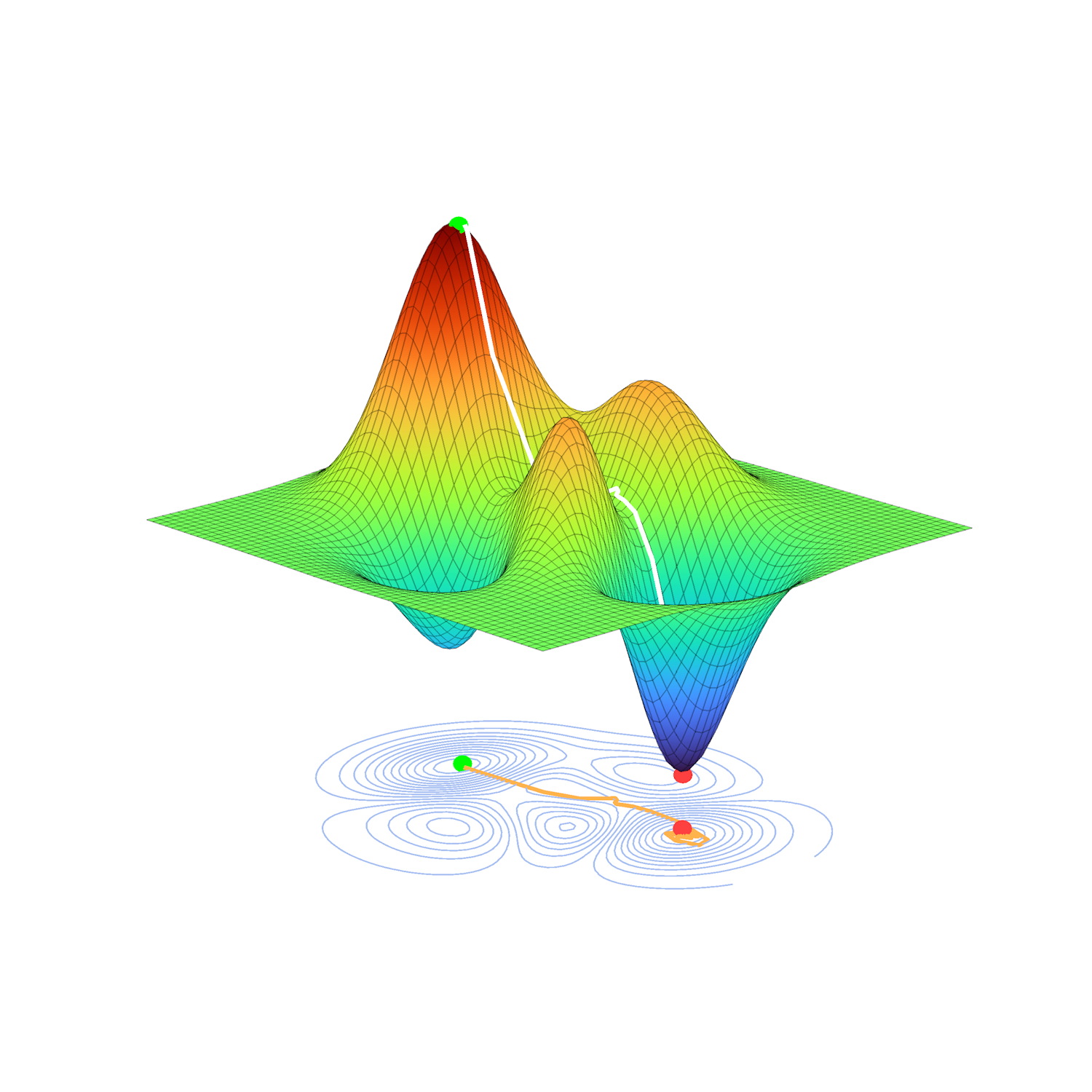 Image 1 of 6
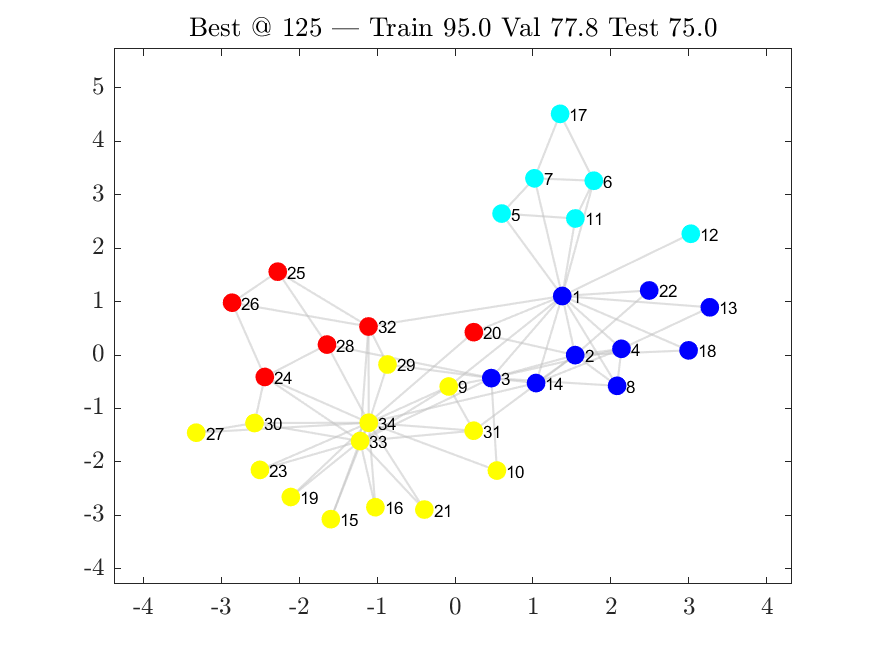 Image 2 of 6
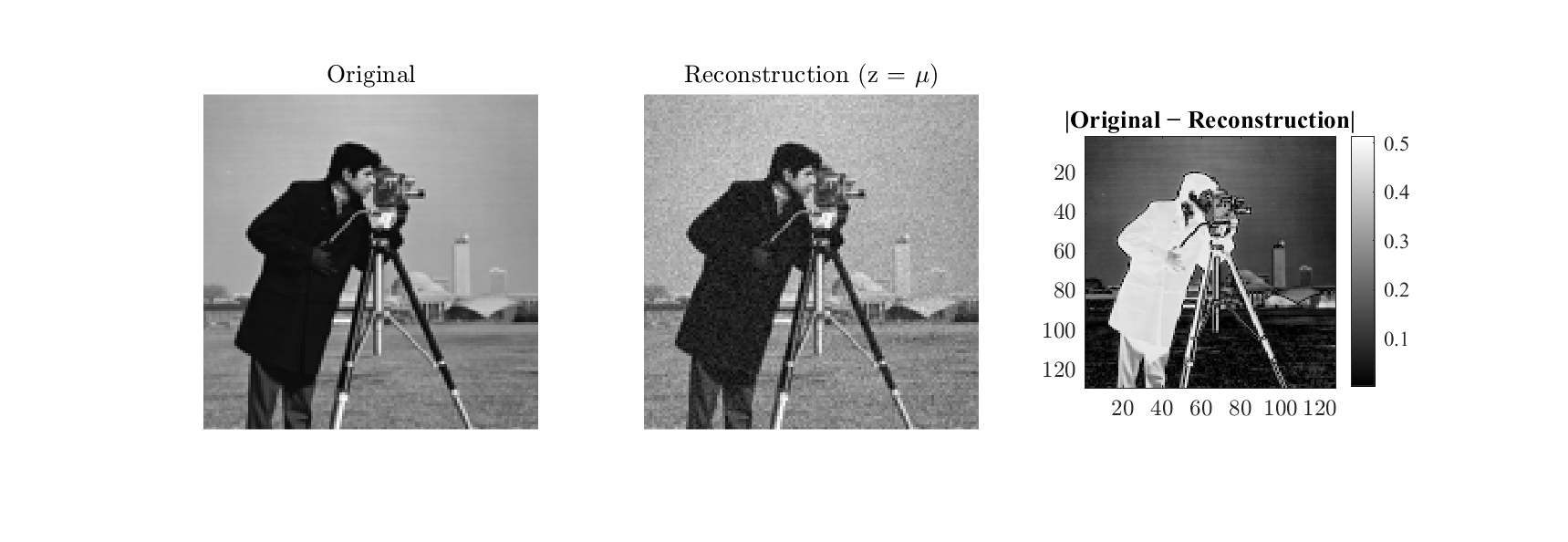 Image 3 of 6
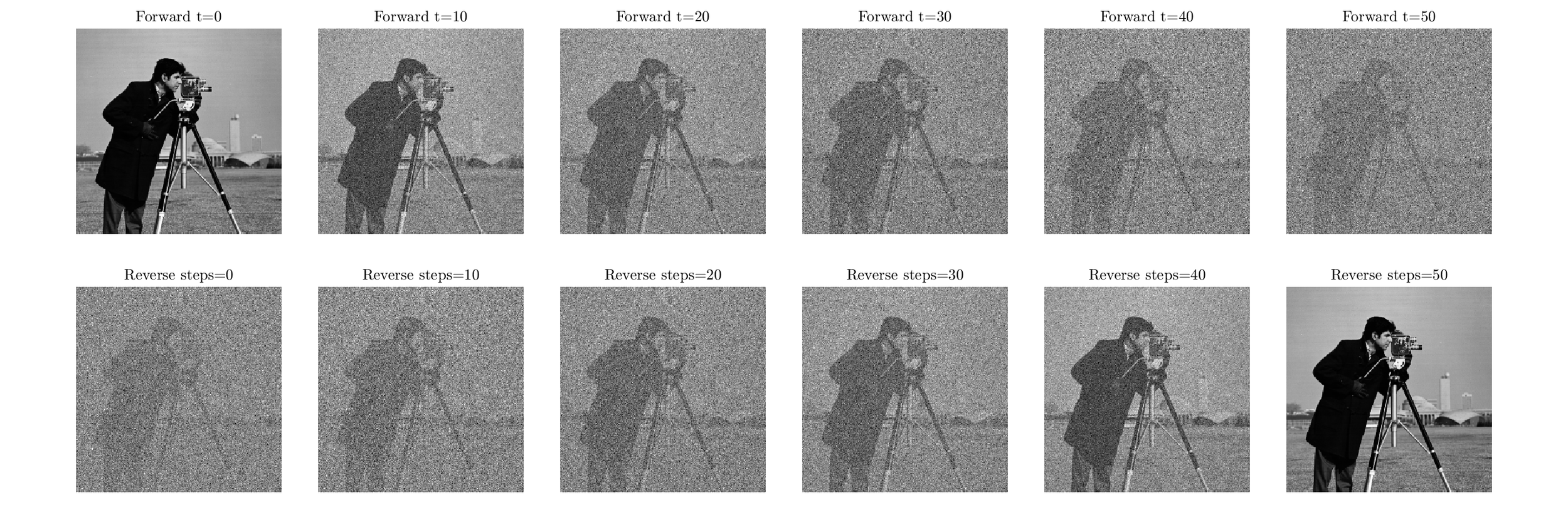 Image 4 of 6
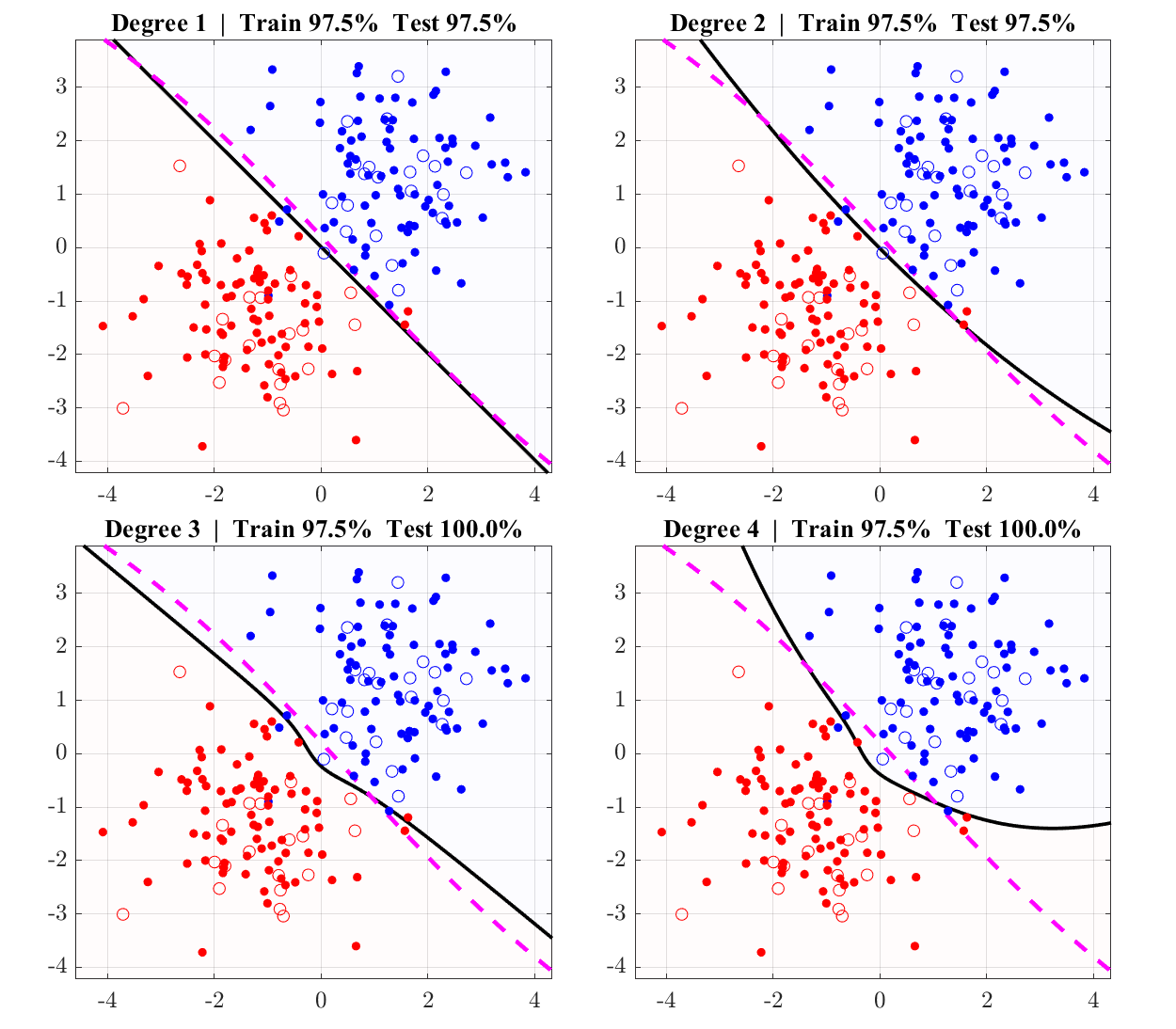 Image 5 of 6
 Image 6 of 6